Traditional Screen Printing
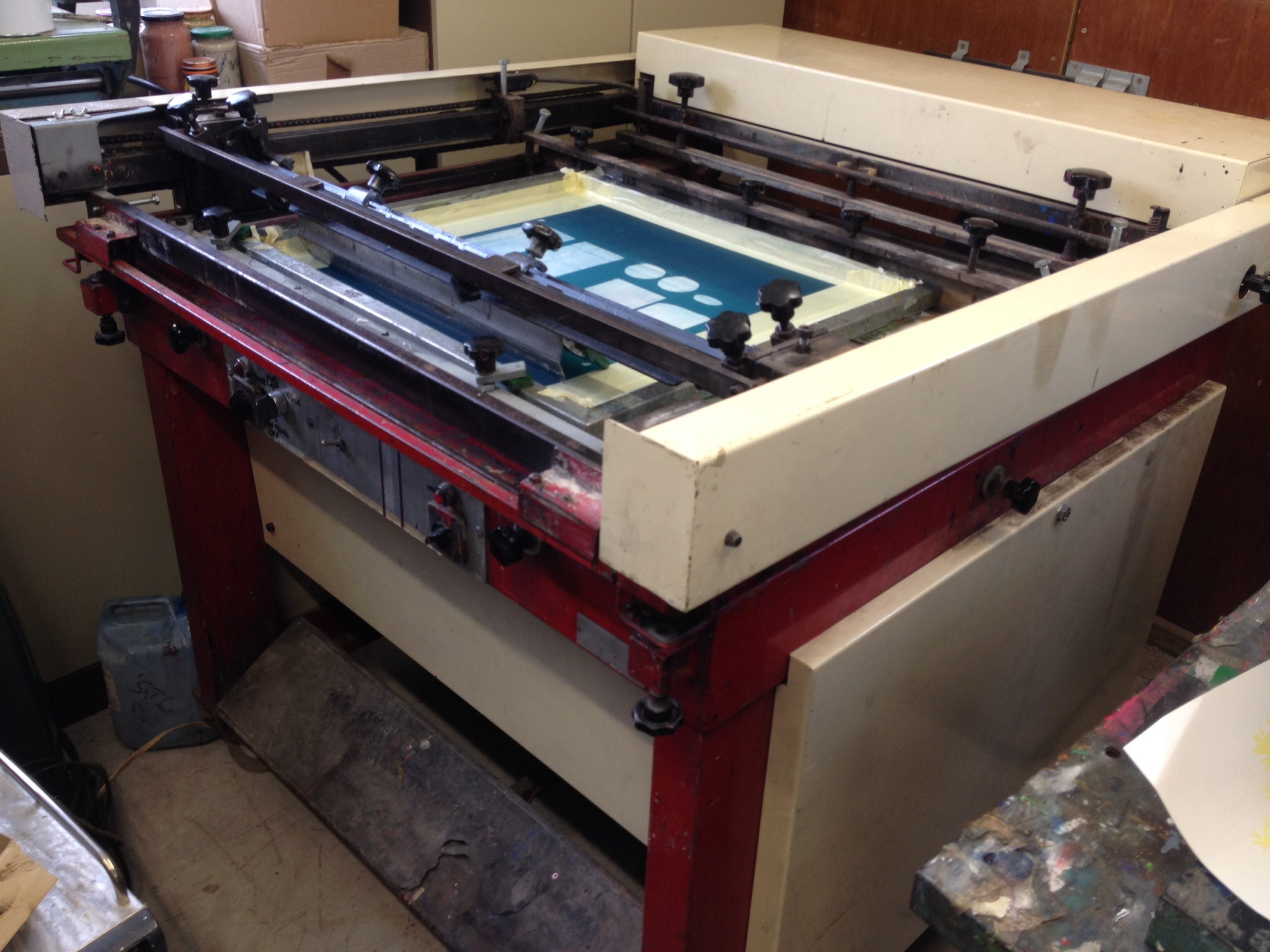
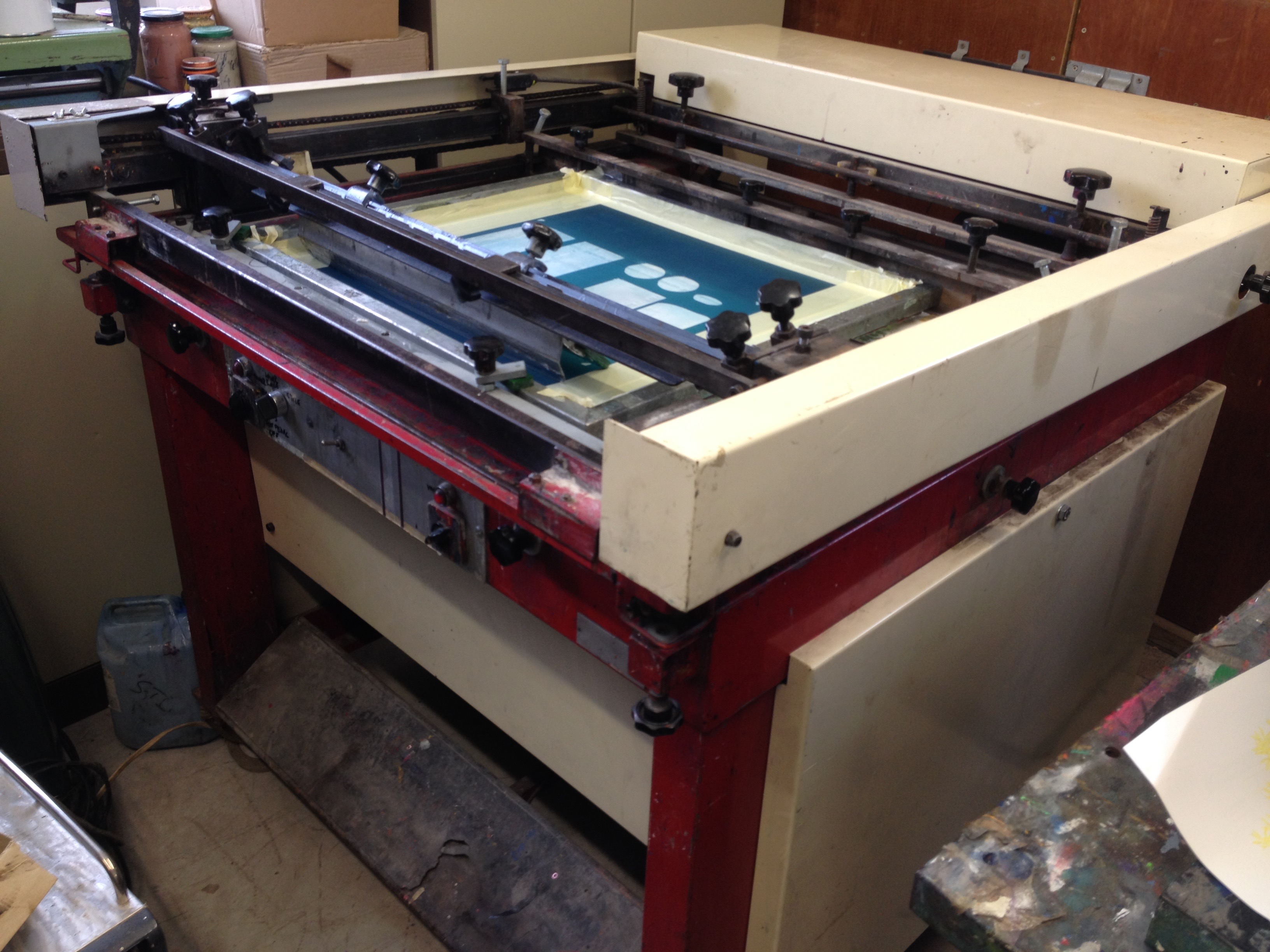
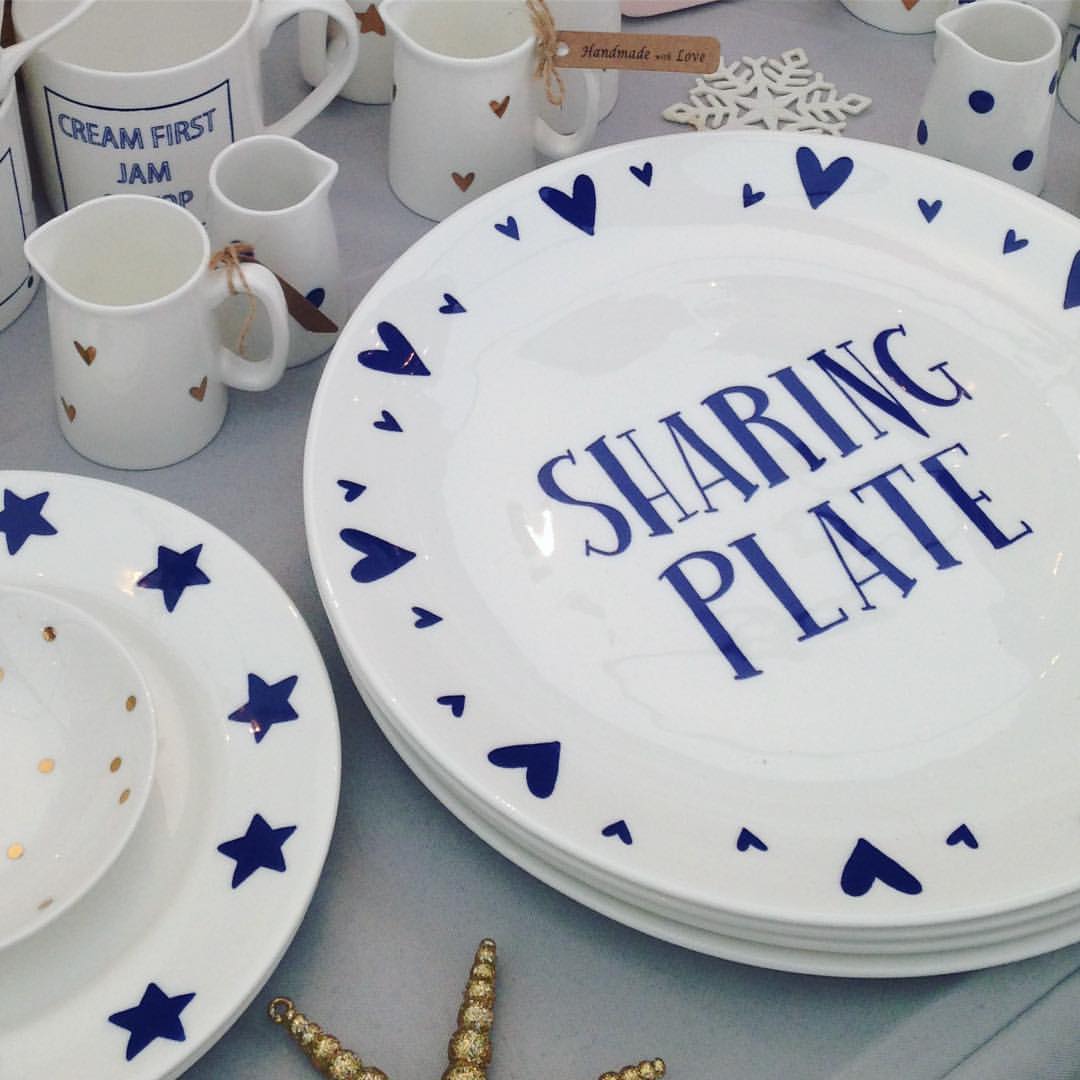
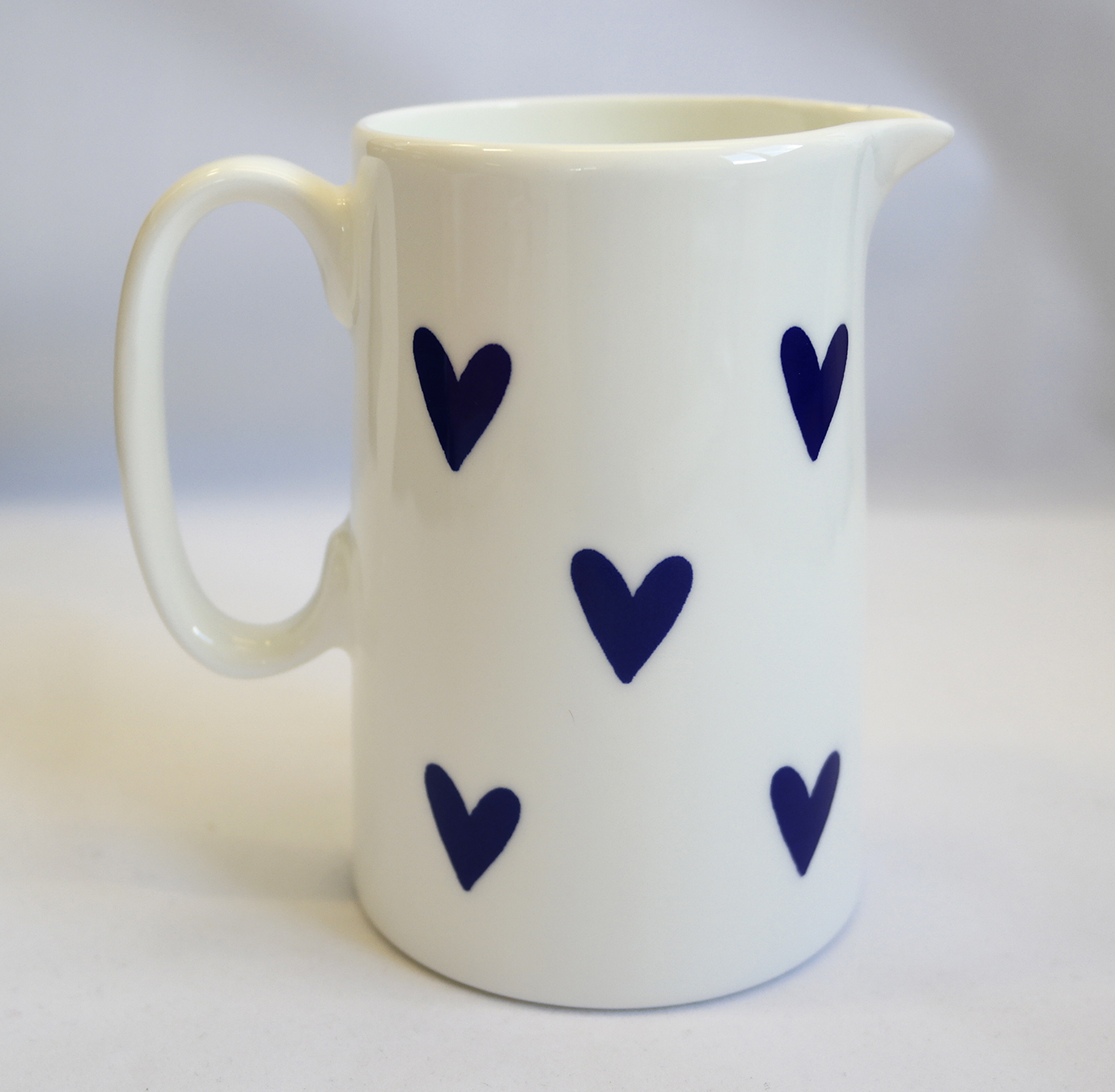
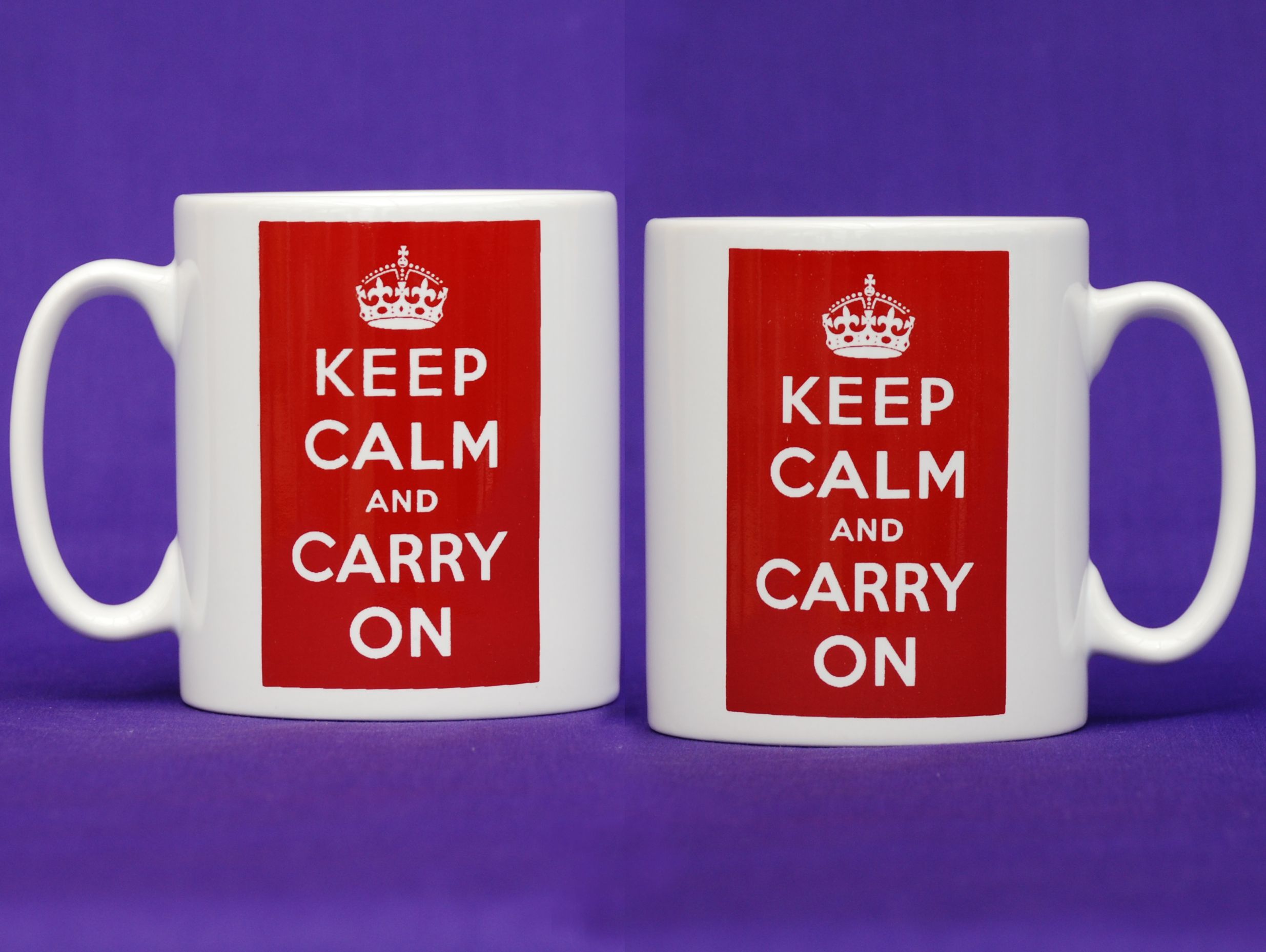
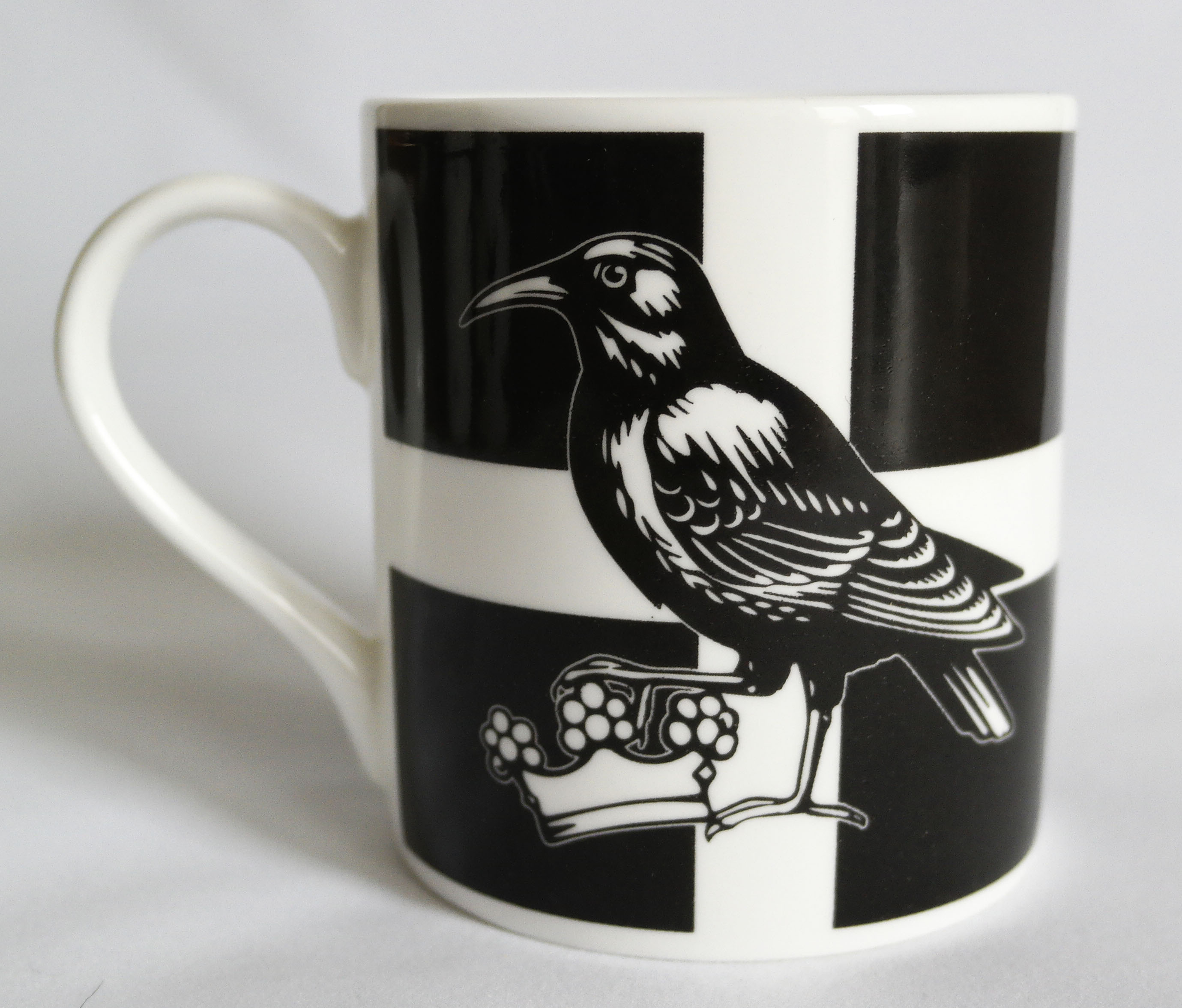
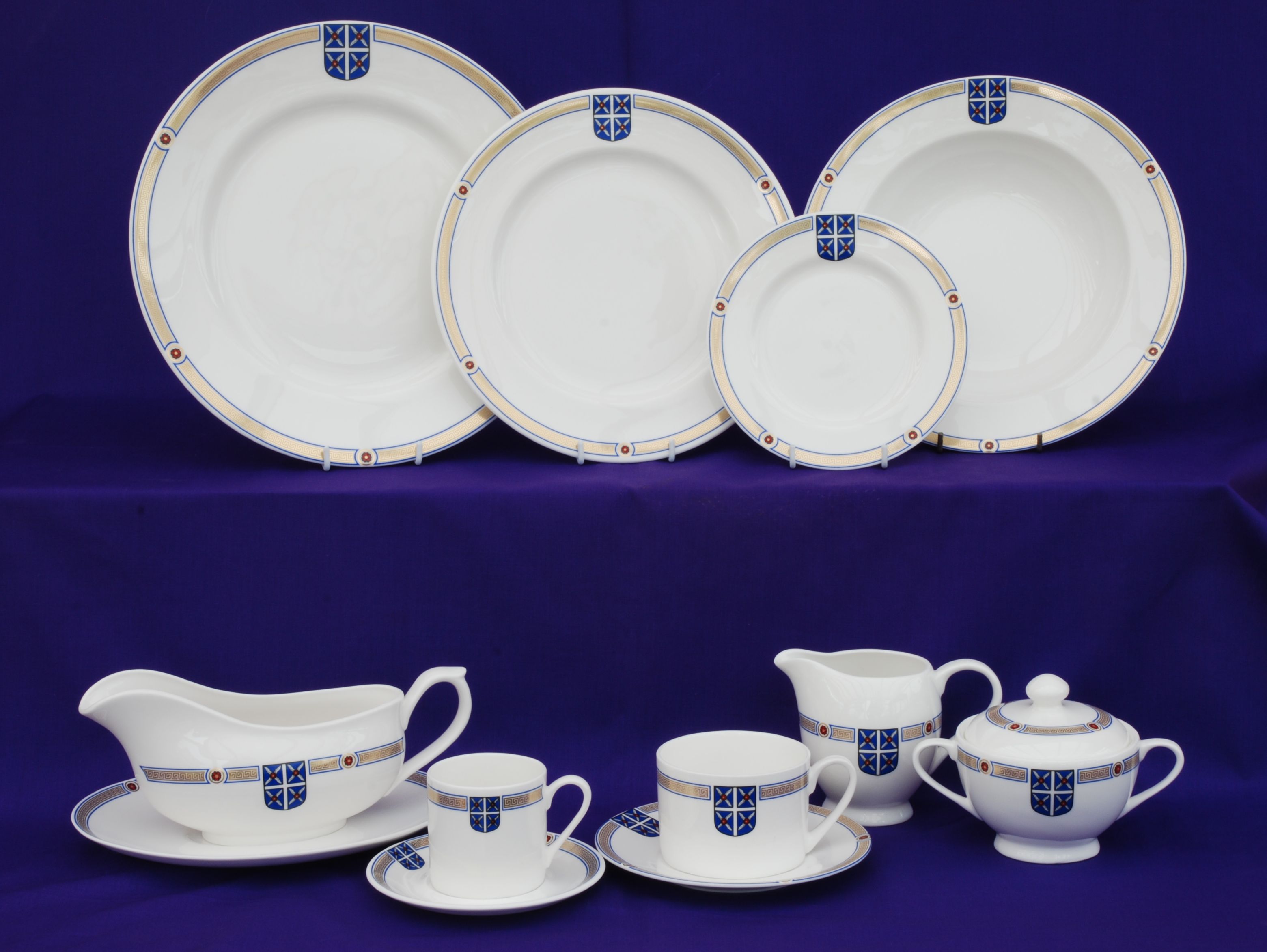
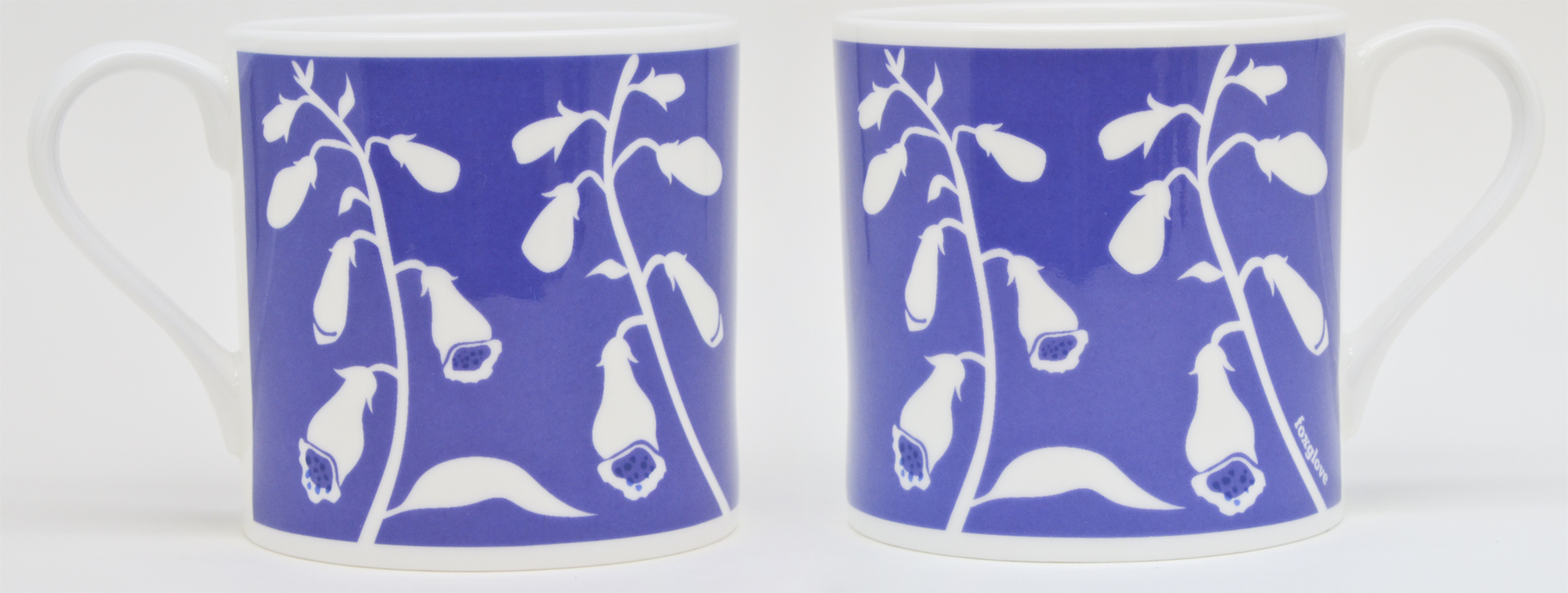
All our screen printed items are hand-printed at our workshop in Cornwall. Screen printing is the most premium and involved method of printing as it involves the design being transferred to film, exposed onto a mesh screen, and carefully tested to create a vivid and permanent water slide transfer. Known for extreme durability and luxurious finishes.
Benefits
- Great for spot colours
- Bright and bold colours
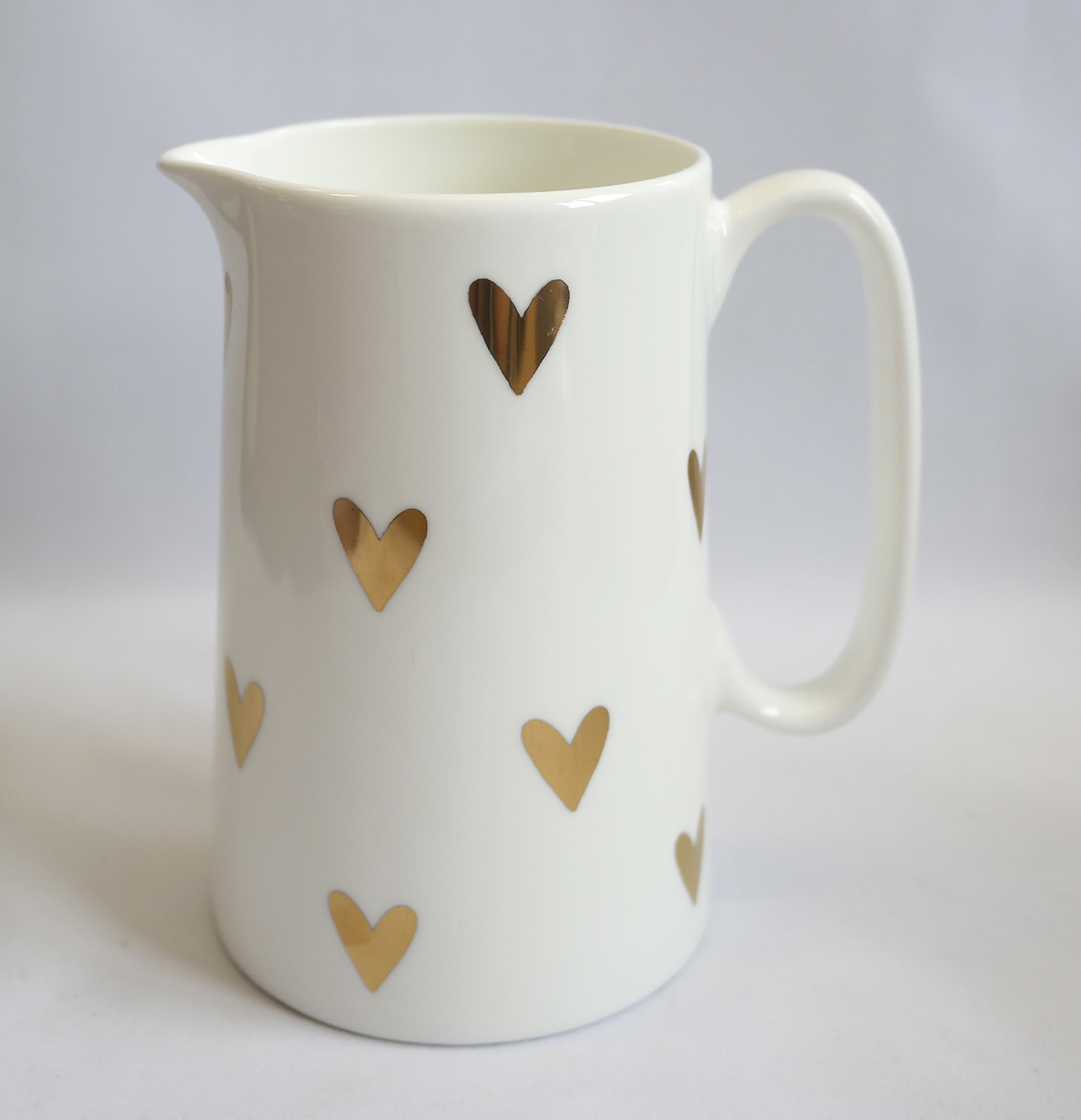
- Can screen print in real gold and platinum
- Colours can be mixed to create a wide range of colours
- Water slide transfers can be applied to various shapes
- Inglaze colours offer extreme durability
Constraints
- Most labour intensive method
- Higher cost per item
- Limited colour range in ceramics
- Longer lead times due to drying
- Requires larger order quantities
The Process
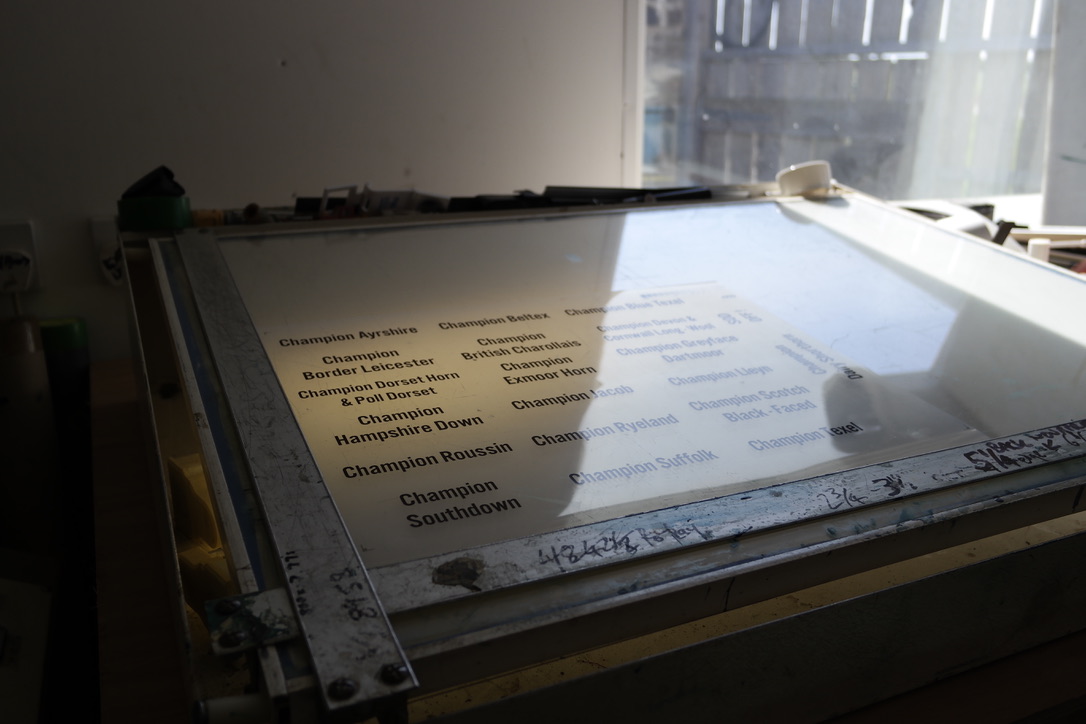
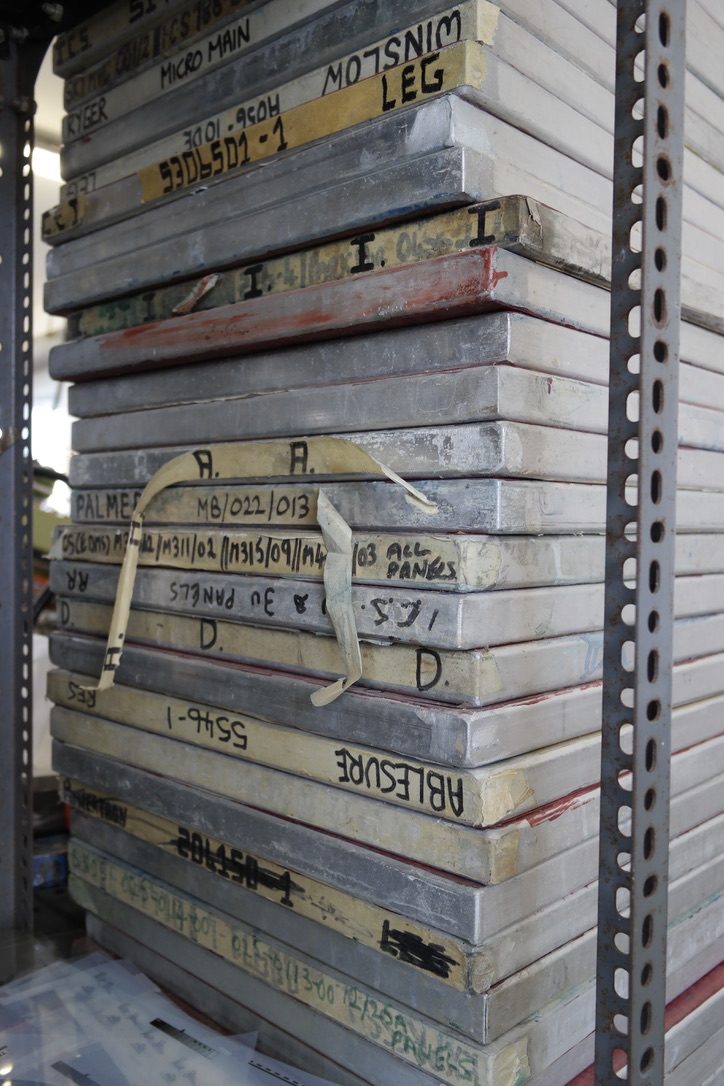
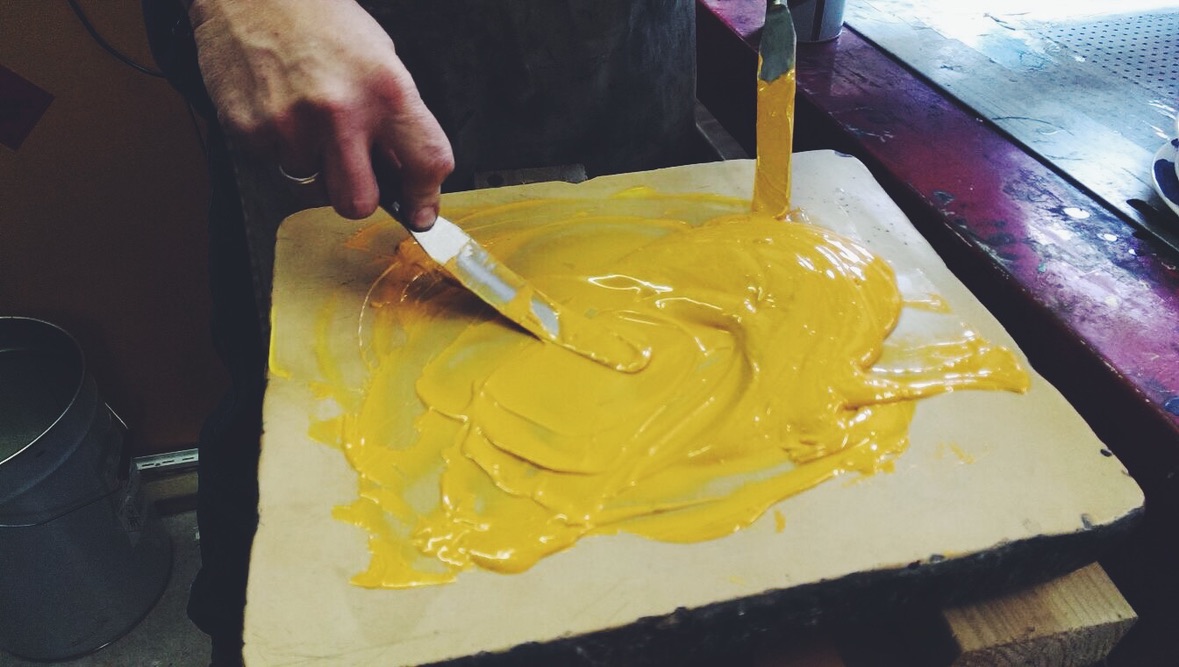
Each colour within the design requires separate filmwork and a separate screen to be made. Each colour has to be selected and mixed to the required shade. This is done by hand and requires a great deal of skill and experience.
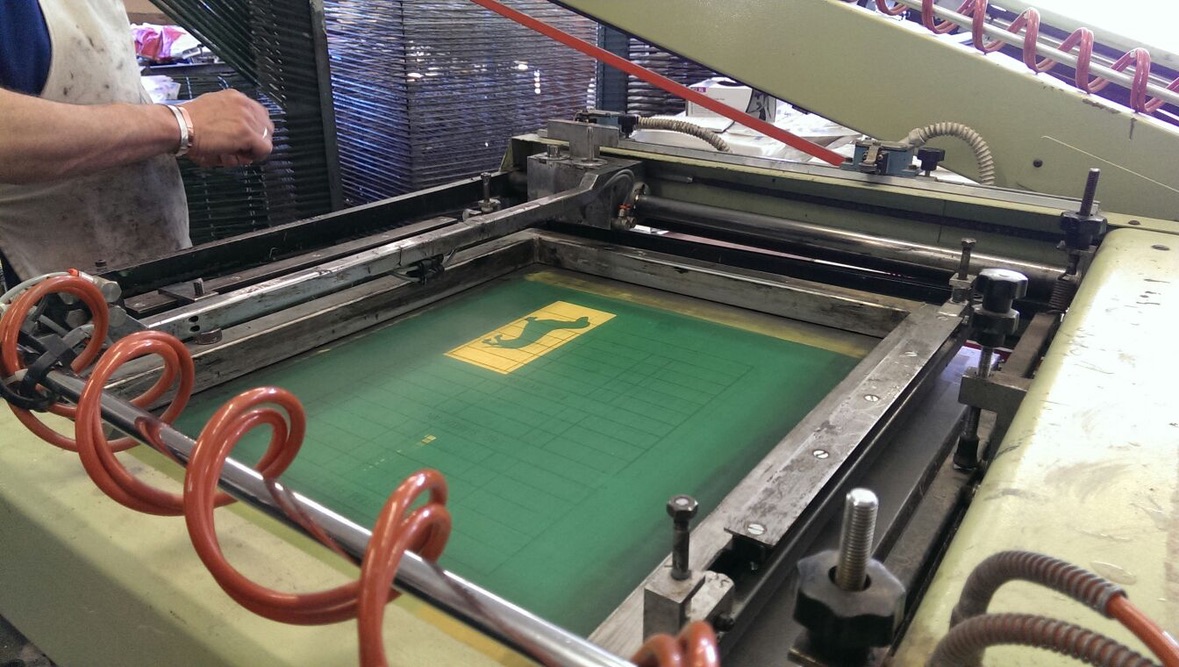
Once each screen has been made and tested, each colour is printed in a specific order onto specialist gummed paper to create a water slide transfer. At each stage the transfer is checked to ensure the design is correct and the colours are to the required standard.
Each layer of printing has to be thoroughly dried before the next layer can be applied. This can take up to 24 hours depending on temperature and humidity. The final stage of printing is to apply a covercoat to the sheet, often this also requires a set of filmwork to be made to shape the transfers. The covercoat layer then dries before the transfers can be applied to the ceramic item.